
IHP24
Mechanical and Software Stepping explained
The IHP24 product range by Val Controls can perform both software stepping and mechanical stepping depending on the actuator type that needs to be controlled.
Software stepping
How It Works
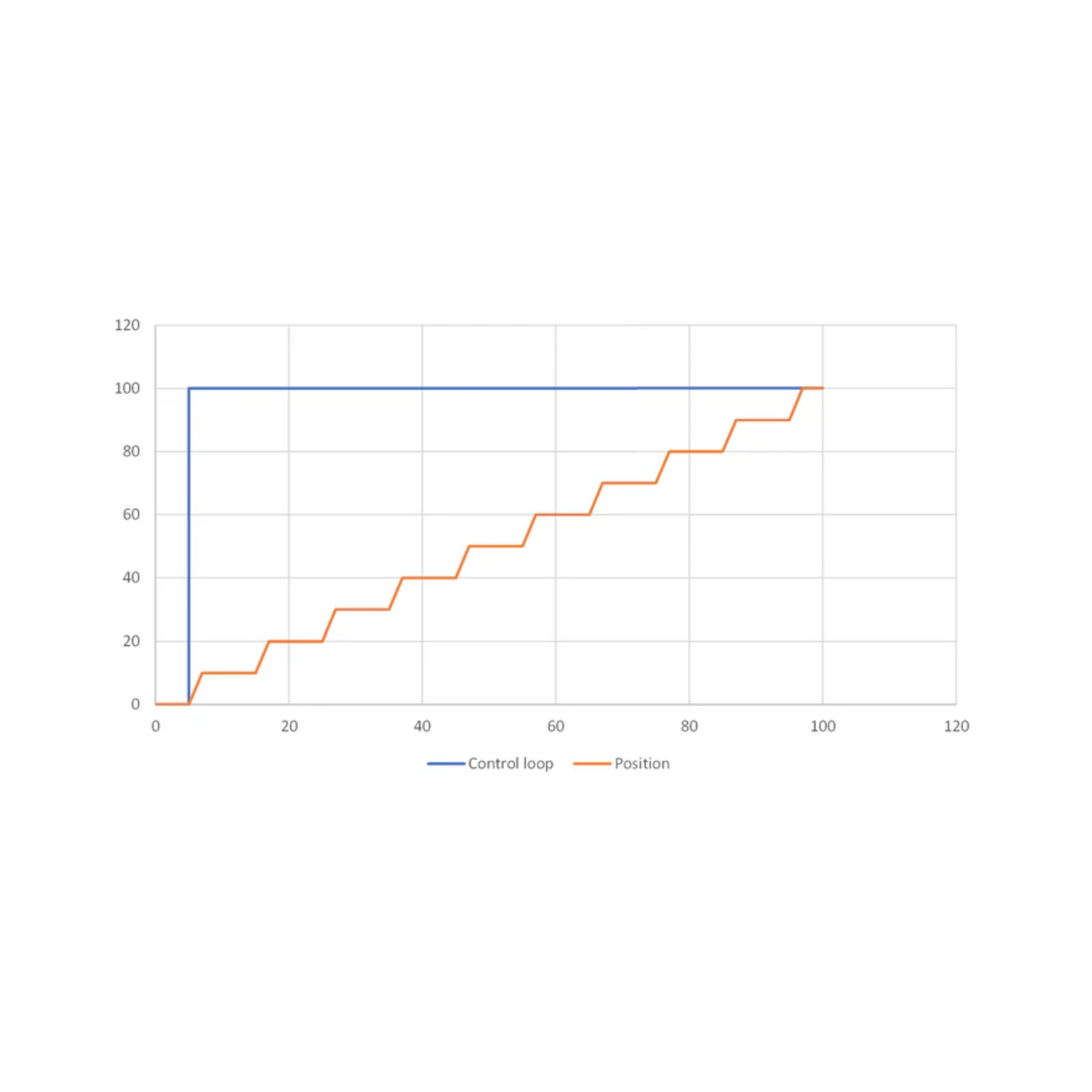
Software stepping simulates a stepping actuator by controlling valve movement through a software algorithm. The valve moves in discrete steps with pauses in between, allowing the operator to control how fast or slow the valve operates.
Unlike pulsing, software stepping applies across the entire operating range, offering finer regulation without the need for proportional hardware.
Applications
- Double acting actuators
- Spring return actuators
Benefits
- Provides precise control for applications requiring gradual flow adjustments.
- Reduces system wear by minimizing sudden valve movements.
- Allows custom fail-safe actions for loss of control or position signals.
- The amount of steps and hold time can be user configured.
Image: Software stepping in ValConnect
Hardware stepping
How It Works
Hardware (mechanical) stepping controls the valve’s movement in defined steps using hardware-based time intervals, without relying on software algorithms.
This principle is simple, robust, and particularly well-suited for stepping actuators with built-in mechanical step mechanisms.
Applications
- Stepping actuators
Benefits
- Enables easy performance optimization through straightforward time interval adjustments.
- Supports configurable fail-safe actions in case of control system failures.
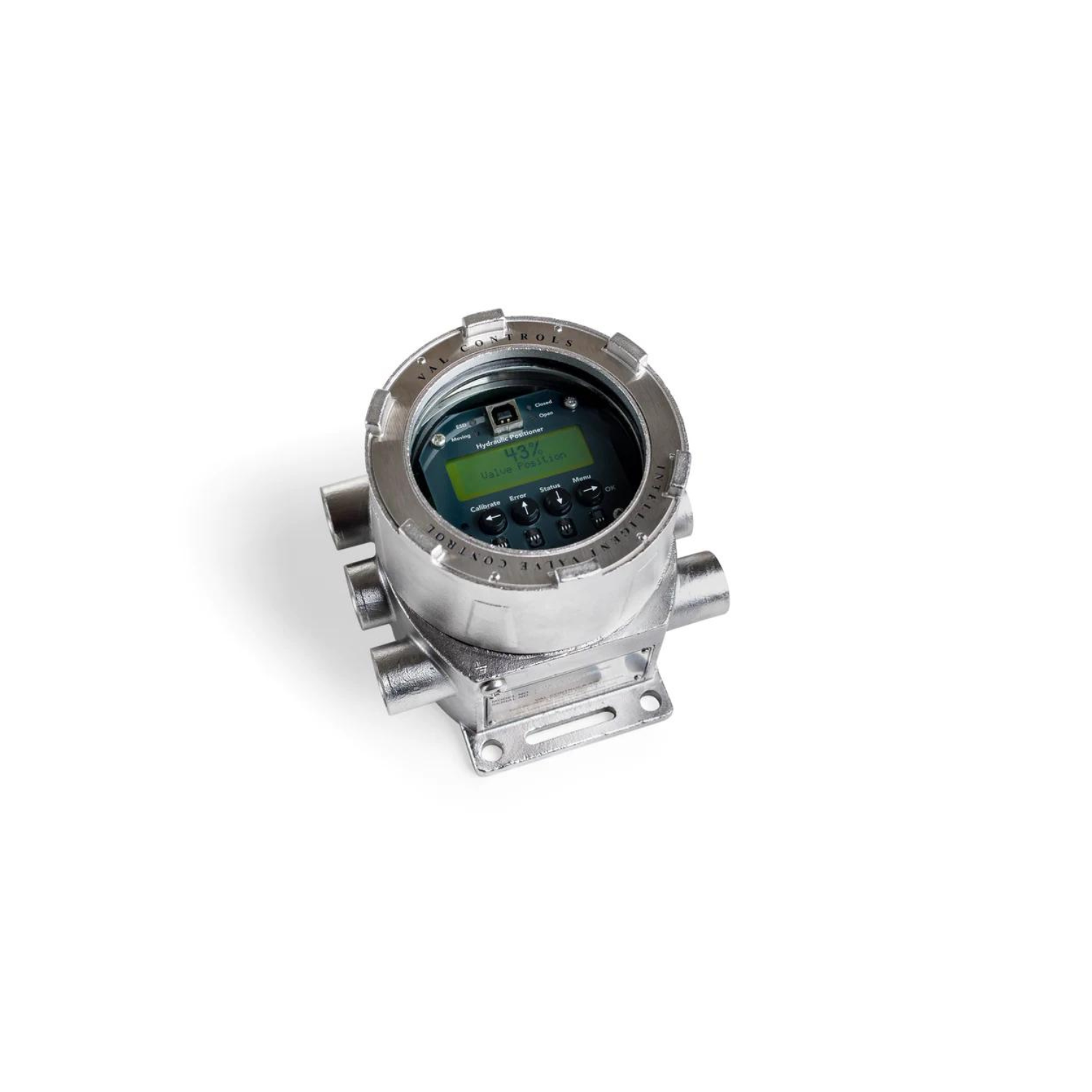
Image: IHP24-BF